Source Soldering Iron for Electronics Repair, PCB Assembly, and Maintenance
Compare 30 soldering iron options from verified suppliers in China. Buyers can evaluate power ratings, temperature control, and customization features to find the right tool for electronics repair, PCB assembly, and general maintenance tasks; compare the available evidence and request quotations based on your requirements.
Key considerations
Products List

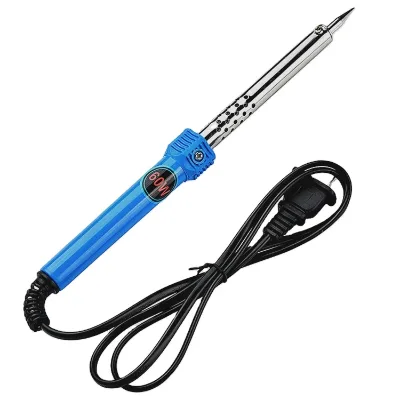


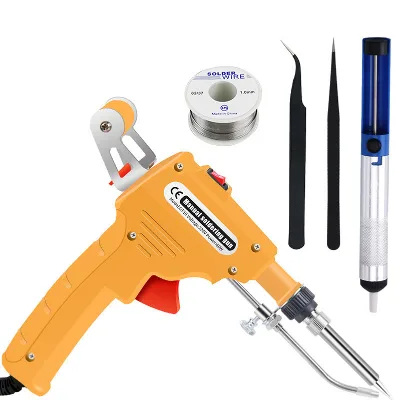


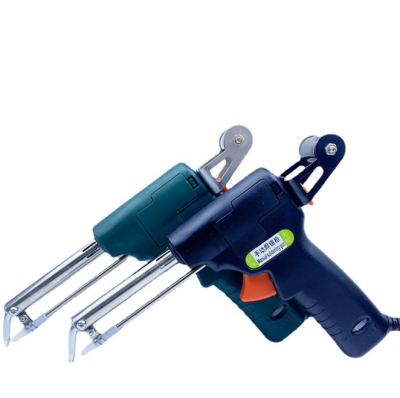
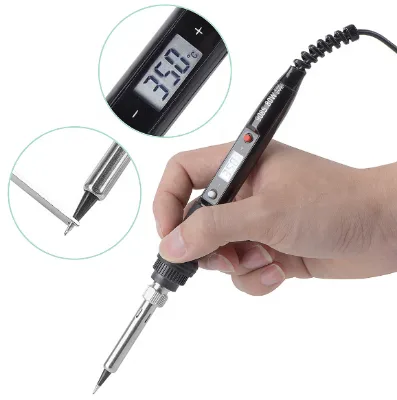



Comprehensive Sourcing Guide
Soldering Iron Sourcing Guide
Buyers evaluating soldering iron options must first distinguish between general-purpose tools and specialized industrial units based on observed listing signals. The market presents a wide spectrum of wattage, ranging from compact 30W units to high-power 100W models, each serving distinct thermal requirements for different assembly tasks. Procurement teams should verify whether the specific application demands constant temperature stability or adjustable internal thermal control to ensure the selected tool matches the precision needs of the production line.
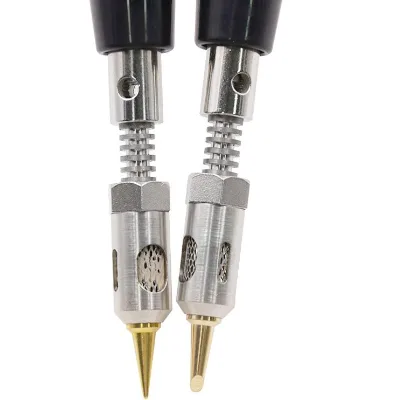
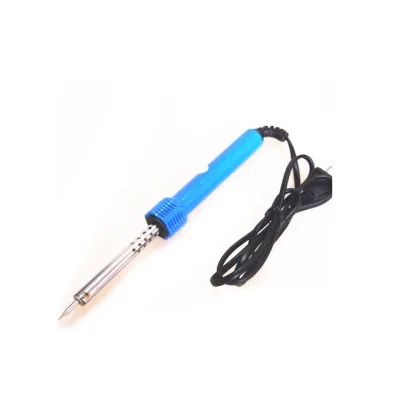
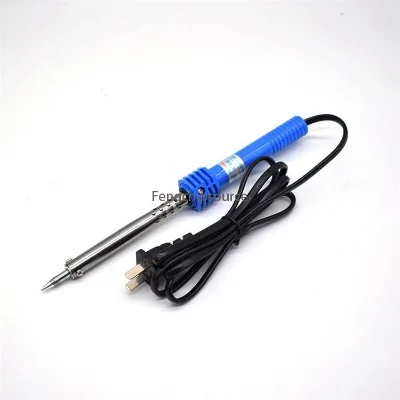
The physical configuration of the soldering iron is equally critical, with variations in handpiece style and tip geometry defining usability and ergonomics. Listings indicate the availability of 90-degree pencil grips and conical tips, which facilitate access to tight spaces during intricate circuit board assembly. Additionally, the presence of plastic handles and specific heat-up times, such as 30 seconds, suggests a focus on operator comfort and rapid workflow integration, requiring buyers to assess these attributes against their specific operational tempo.
Product Scope and Observed Listing Signals
The observed product range includes diverse specifications such as carbon steel construction and varying power outputs, necessitating a clear definition of the intended use case before selection. Some units are marketed with environmental protection characteristics, while others emphasize high-temperature capabilities up to 520°C, indicating a split between general electronics repair and heavy-duty industrial soldering applications. Buyers must carefully map these observed attributes to their actual production needs to avoid purchasing over-engineered or underpowered equipment.
Customization options are prominently available, with suppliers offering OEM, ODM, and OBM support alongside logo personalization according to specific client requirements. This flexibility allows brands to align the tool with their corporate identity, yet it also introduces complexity in the specification process. Procurement teams should clarify the extent of customization required, such as specific packaging details like blister packs or slide cards, to ensure the final delivered product meets both functional and branding expectations without unnecessary delays.
Technical Specifications to Verify
Voltage compatibility is a primary technical constraint, as observed listings specify input voltages of 110V or 220V, which must align with the local power infrastructure of the deployment site. Selecting a unit with the incorrect voltage rating can lead to equipment failure or safety hazards, making this a non-negotiable verification step during the sourcing phase. Buyers should also confirm the power source type, as some units rely on alternative sources that may require specific adapters or power management systems.
Thermal performance metrics, including maximum temperature limits and temperature stability, vary significantly across the product pool and directly impact soldering quality. While some models offer adjustable temperature stability, others provide constant temperature control, which is essential for maintaining consistent joint integrity during high-volume production. The heat-up time of approximately 30 seconds is a standard benchmark, but buyers must verify if this meets their throughput requirements, especially when dealing with rapid assembly cycles where downtime must be minimized.
Compliance and Safety Documentation
Certification status is a critical factor, with observed listings citing BS standards, though the specific scope and validity of these certifications require independent verification. Buyers should request current certification documents to ensure the equipment meets the safety regulations of the destination market, as generic claims do not guarantee compliance with local electrical safety laws. The absence of overseas after-sales service in some listings further underscores the need for thorough pre-purchase due diligence regarding regulatory adherence and support availability.
Safety features such as temperature control mechanisms and material composition, including carbon steel components, must be evaluated for long-term operational safety. The maximum operating temperature of 520°C presents potential burn risks, necessitating the verification of protective housing and handle insulation. Procurement teams should ensure that the product documentation explicitly details safety protocols and that the equipment is designed to prevent accidental overheating or electrical faults during continuous use.
Cost Drivers and Commercial Terms
Pricing structures in this category exhibit a broad range, with observed values spanning from 0.35 to 1600 USD, driven by differences in wattage, build quality, and customization levels. The minimum order quantity (MOQ) varies from single units to 1000 pieces, influencing the total cost of ownership for small versus large procurement volumes. Buyers must analyze the unit price against the required quantity to determine the most economical option, considering that higher MOQs often yield better per-unit rates but increase inventory holding costs.
Packaging and logistics details significantly impact the final landed cost, with variations in single package sizes and carton quantities affecting shipping efficiency. Listings indicate specific packing details, such as 48 pieces per carton with defined gross and net weights, which are crucial for calculating freight charges and warehouse storage requirements. Understanding these logistical parameters allows buyers to optimize their supply chain costs and ensure that the physical dimensions of the shipment align with their distribution capabilities.
Supplier Qualification and Quality Control
Supplier location and origin, primarily noted as Ningbo, Zhejiang, and Guangdong, China, provide context for manufacturing capabilities and potential lead times. While these regions are known for electronics manufacturing, buyers should verify the specific factory's quality control processes to ensure consistency across production batches. The condition of the products is listed as new, but independent quality audits are recommended to confirm that the manufacturing standards meet the buyer's specific requirements for durability and performance.
Warranty availability is a mixed signal in the current market, with some listings explicitly stating that warranties are unavailable, while others imply standard support. This discrepancy requires buyers to negotiate clear terms regarding defect resolution and replacement policies before finalizing the order. Establishing a robust quality control agreement that includes pre-shipment inspections and clear liability definitions is essential to mitigate the risks associated with the varying levels of after-sales support observed in the listings.
Long-Term Procurement Checks
Sustainability and environmental protection are emerging considerations, with some products highlighting these characteristics as key selling points. Buyers should assess whether the manufacturing processes and material choices align with their corporate sustainability goals, particularly regarding the use of carbon steel and the overall environmental impact of the product lifecycle. Verifying these claims through supplier documentation ensures that the procurement strategy supports broader organizational values and regulatory compliance.
Future-proofing the procurement strategy involves evaluating the adaptability of the soldering iron to evolving production needs and technological advancements. The availability of adjustable internal thermal soldering irons suggests a trend toward more versatile tools that can handle a wider range of soldering tasks. Buyers should consider the scalability of their current supplier relationships and the potential for future customization to ensure that their equipment investments remain relevant as their production requirements evolve over time.
FAQs
What is the maximum temperature for this soldering iron?
The maximum temperature reaches 520°C, with an output range from room temperature to 450°C. This adjustable internal thermal design ensures precise heat control for various soldering tasks. The unit features constant temperature stability and a 30-second heat-up time for efficient workflow.
Can I customize the logo and packaging for bulk orders?
Yes, customization is available for both OEM and ODM requirements. You can specify the logo according to your requirements. The standard packing is one piece per blister, with carton quantities of 48 pieces. This support allows for tailored branding and packaging solutions for your business needs.
What certifications does this soldering iron hold?
The product holds BS certifications, ensuring compliance with relevant safety and quality standards. These certifications verify the reliability of the carbon steel construction and electrical components. Buyers can rely on these documented standards when evaluating the product for professional or industrial soldering applications in various markets.
What is the power output and input voltage range?
The output power ranges from 30W to 60W, with specific models offering 55W or 100W options. The input voltage supports 110V and 220V, making it versatile for different regions. This flexibility ensures the soldering iron can be used effectively in various electrical environments without requiring additional converters.
Where is this soldering iron manufactured and shipped from?
The product originates from Ningbo, Zhejiang, and Guangdong, China. It is manufactured using injection molding processes for the housing. The single package size is 23x2.5x2.5 cm, with a gross weight of 0.200 kg. This origin information helps buyers assess logistics and supply chain factors.
What warranty and after-sales service are provided?
Warranty information is currently unavailable for this product. Additionally, no overseas after-sales service is provided. Buyers should consider these factors when planning for long-term support. The product is sold as new, with a single item selling unit, requiring direct communication for any specific service inquiries.